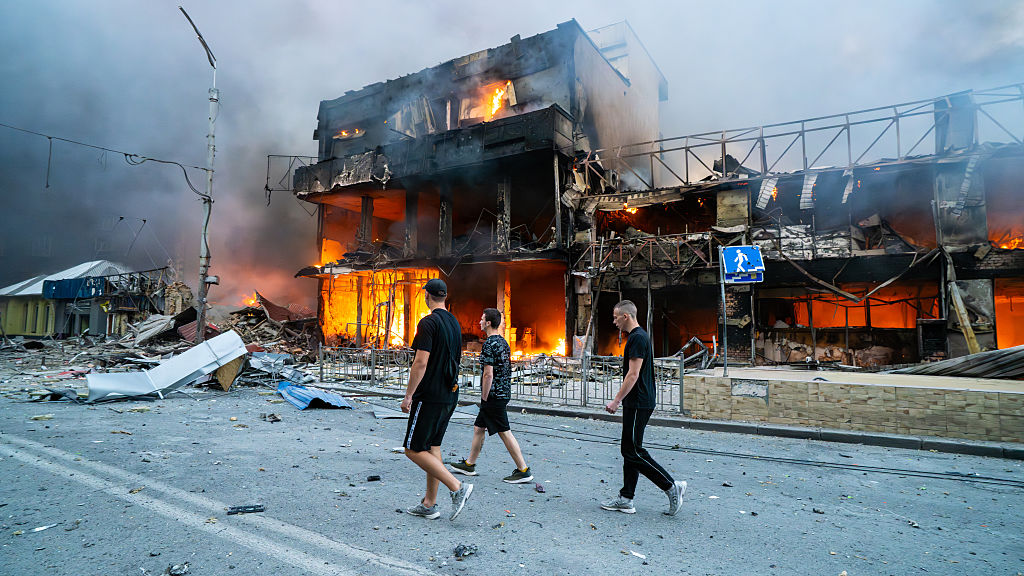
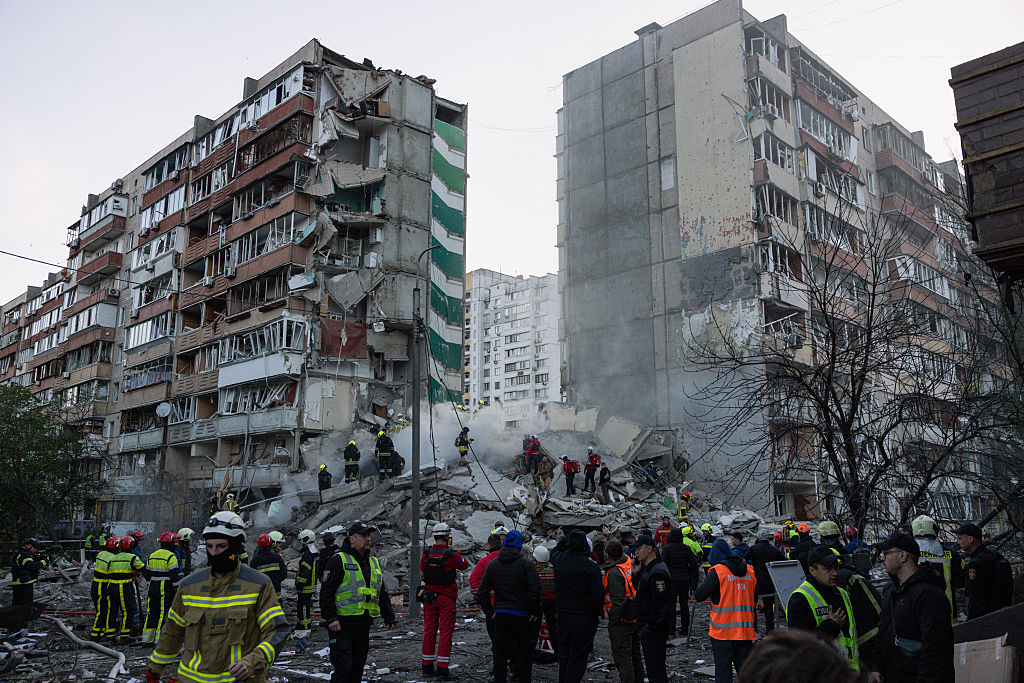
The shocks of the past decade — culminating in Russia’s invasion of Ukraine — exposed how deeply energy systems are embedded in questions of security, political control and economic competitiveness.
This report analyses how countries along the EU’s Eastern Flank responded to these pressures, why their paths diverged, and what this reveals about the limits and possibilities of resilience in a fractured geopolitical environment.
Introduction
Over the past decade, energy systems across the EU’s eastern flank have undergone profound change. What began as a gradual transition was increasingly shaped by overlapping pressures: rising climate ambitions, volatile markets, growing geopolitical tensions and, ultimately, Russia’s full-scale invasion of Ukraine. Together, these factors reshaped how governments approach energy security, affordability and long-term policy choices.
For the purpose of this report, the EU’s eastern flank refers to nine countries: Bulgaria, Czechia,…